- Based in Homebush West, servicing all of Sydney
- Mon - Sun: 24/7 Emergency Plumbing
- Google Reviews
Same-Day Plumbing Services Across Sydney’s Inner West and Sydney-wide! $0* call-out fee Get a Fast Free Quote


$0* call-out fee

Existing lines checked first

Pressure-tested before connection

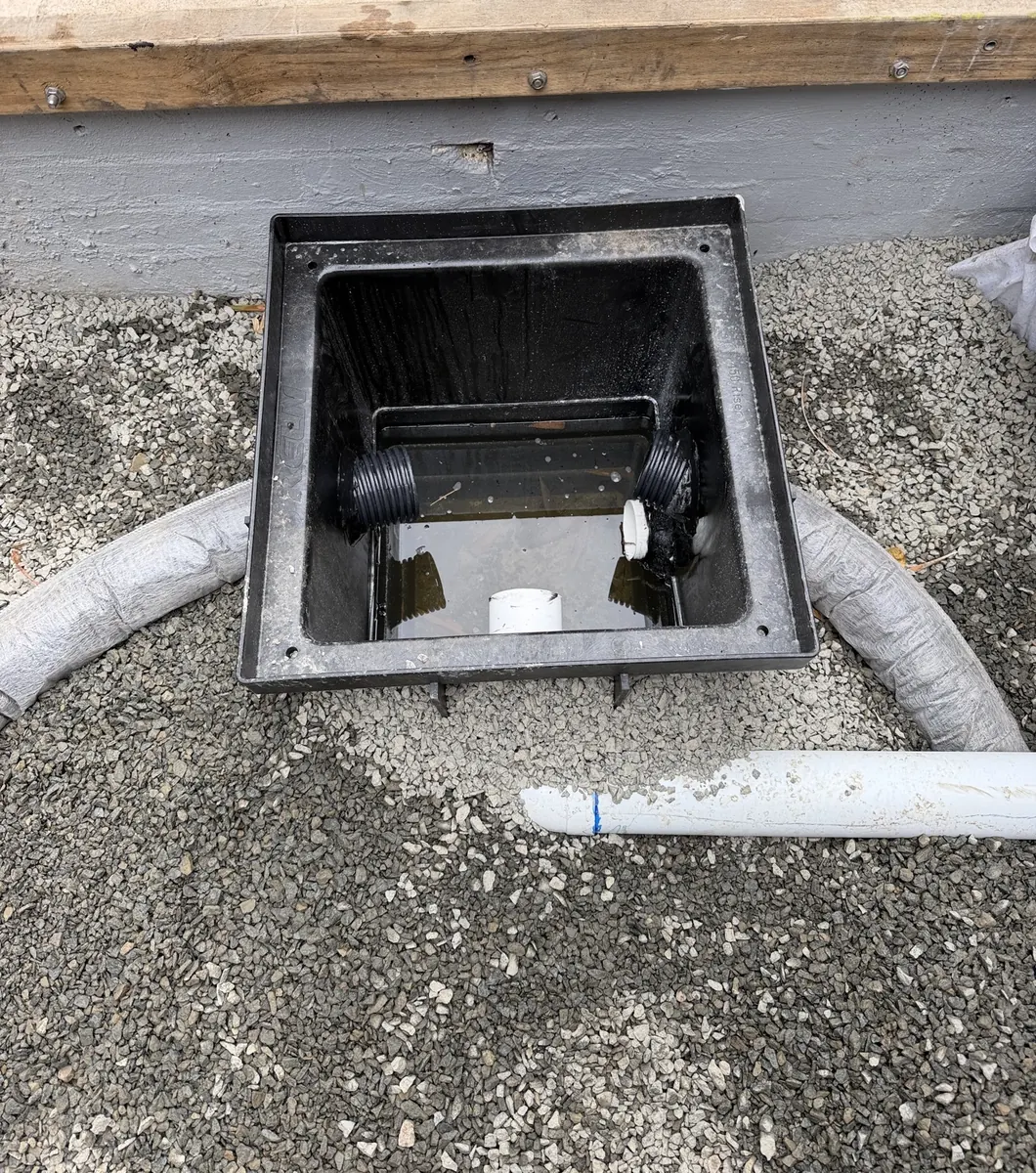
Agi line and pit installs


 Trustindex verifies that the original source of the review is Google.
 Trustindex verifies that the original source of the review is Google.
 Trustindex verifies that the original source of the review is Google.
 Trustindex verifies that the original source of the review is Google.
 Trustindex verifies that the original source of the review is Google.
 Trustindex verifies that the original source of the review is Google.
 Trustindex verifies that the original source of the review is Google.
 Trustindex verifies that the original source of the review is Google.
 Trustindex verifies that the original source of the review is Google.


If water pools during rain but clears within hours, that’s a stormwater problem. If the yard stays boggy for days after rain stops, that’s groundwater trapped in the soil. Before installing new drainage, we run a CCTV drain inspection in Sydney to rule out a cracked or blocked subsoil pipe as the underlying cause. Subsoil drainage fixes the second problem.
Not sure which applies? See our stormwater drainage page. Low-lying pockets near the Cooks River catchment, including parts of southern Dulwich Hill and Marrickville South, hold water long after the rain stops.
Most Inner West yards sit on weathered Ashfield Shale, a heavy clay soil that holds water at the surface instead of letting it soak away. After a Sydney downpour, the water has nowhere to go, so it pools against foundations, kills lawns and rots timber subfloors. Older suburbs make it worse. Marrickville, Petersham and Dulwich Hill are full of Victorian and Federation terraces with narrow side returns, sealed paving laid over old gardens, and tiny courtyards that drain straight back into the house.
We see the same problems on repeat. Standing water two days after rain. Damp brickwork below the damp-proof course. Saturated lawns near Cooks River. Sandstone retaining walls weep in winter.
A properly engineered subsoil system fixes the cause. Trenches dug to the right depth, lined with non-woven filter fabric, filled with graded aggregate around a perforated pipe and graded to a legal discharge point. Done by a licensed local team that knows Inner West soil, Inner West houses and Inner West streets.
For surface runoff from roofs and paving, see our stormwater drainage page. The two systems work together, and most properties around here need both.

| Factor | Why it matters |
|---|---|
| Existing lines | If there’s a line to connect to, we pressure-test it and check it on camera before tying in |
| Trench length and depth | Usually 400 to 600 mm deep, set by your soil and how deep the groundwater sits |
| System type | Ag pipe in a gravel bed, a french drain, or a soakwell, depending on the site |
| Access | Narrow side returns and paved courtyards take longer to dig and reinstate |
| Discharge point | The run has to reach your stormwater system or another legal outlet |
Safe Hands. Reliable Service. Champion Results.
Subsoil drainage handles the water already in the ground. The water hitting your roof, paths and paving needs somewhere to go before it ever reaches the soil. Our surface stormwater drainage that pairs with subsoil systems takes runoff away from gutters, downpipes and hard surfaces and sends it to a legal discharge point. On most Inner West properties, the two run together, with stormwater catching the surface water and subsoil collecting what makes it through the soil profile. We can quote both at once.
Subsoil drainage is quoted on linear metres of agi pipe, depth of trench, and access. Sloped Inner West blocks usually need more drainage than flat sites because groundwater pools on the downhill side. We assess on site and quote fixed-price before any digging starts. $0 call-out fee. See our full pricing.
It collects groundwater that builds up in soil around your foundations and drains it to a safe discharge point. Without it, water pressure against retaining walls and slab edges causes cracking, dampness inside the house, and moisture damage to timber stumps and bearers in older Inner West cottages.
Most residential installs are one to three days depending on trench length, access and how the discharge connects to existing stormwater. Same-day call-back to scope the job: call us today or book online.
Stormwater handles surface water from roofs and paving. Subsoil handles groundwater in the soil. Older Inner West homes on sloped sites or with damp internal walls often need both, working together. We’ll inspect the property and tell you which combination of stormwater drainage and subsoil drainage your site actually needs.
Yes, and clay’s exactly the soil it’s designed for. The Ashfield Shale clay under most Inner West yards traps water at the surface, which is the reason these homes flood. A correct system uses the right trench depth, non-woven filter fabric to stop clay clogging the pipe, and graded aggregate around a perforated pipe set to a fall. A generic DIY French drain often fails here because the fabric, depth or grade is wrong. Done properly, it lasts decades.
No call out fee. Plumber dispatched same-day.
Call now for immediate assistance.
